Tax Credits

๐ŸŒŸ Why Do We Post AJEs When Preparing US Business Tax Returns? ๐ŸŒŸ

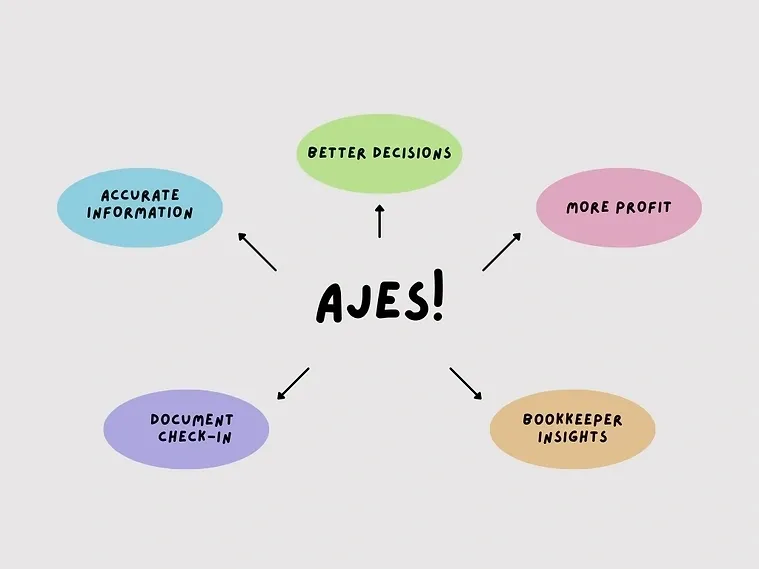
๐ŸŒŸ Why Do We Post AJEs When Preparing US Business Tax Returns? ๐ŸŒŸ Hey friends! ๐Ÿ‘‹ Ever wonder why accountants always talk about AJE (Adjusting Journal Entries) when it’s time to prepare business tax returns in the US? Donโ€™t worry letโ€™s break it down in a simple way! ๐Ÿ’ก ๐Ÿ” What is an AJE? An Adjusting Journal Entry (AJE) is just a way for accountants to โ€œclean upโ€ or fine-tune the books before closing the year. It ensures everything is accurate and tax-ready! Think of it like this: Before you take a selfie ๐Ÿ“ธ, you fix your hair, clean your glasses, and find good lighting. Thatโ€™s what AJEs dofor your financials! ๐Ÿงพ Why Are AJEs Important for Tax Returns? Here are a few reasons: 1. To Match Income & Expenses Correctly Letโ€™s say you received a payment in December but didnโ€™t deliver the service until January. An AJE helps move that income to the right year, so your tax return reflects the real picture. 2. To Record Missing Entries Sometimes, expenses like depreciation, interest, or accruals werenโ€™t booked during the year. AJEs help catch and record them before finalizing the return. 3. To Align with Tax Rules Some adjustments are required to follow tax lawsโ€”like adjusting meals, entertainment, or depreciation to IRS rules. Examples: Letโ€™s say your business bought a machine for $1,20,000. You forgot to post depreciation. ๐Ÿ“‰ Without AJE: Profit = $5,00,000 ๐Ÿ’ก With AJE ($24,000 depreciation): Profit = $4,76,000 ๐Ÿ‘‰ You save tax on $24,000! ๐Ÿง ๐Ÿ’ฐ Now meet Rachel ๐Ÿ‘ฉโ€๐Ÿ’ผ She paid $1,20,000 rent in advance for 12 months but recorded it all in April. โŒ Books show huge April expense โœ… AJE spreads $10,000/month = Clean, accurate P&L ๐ŸŽฏ Moral of the story? AJEs = Your books’ last-minute glow-up ๐Ÿ’… before meeting the taxman!

๐ŸŒŸ Why Do We Post AJEs When Preparing US Business Tax Returns? ๐ŸŒŸ Read More ยป

Understanding the Kiddie Tax for 2024: How It Affects Your Childโ€™s Investment Income

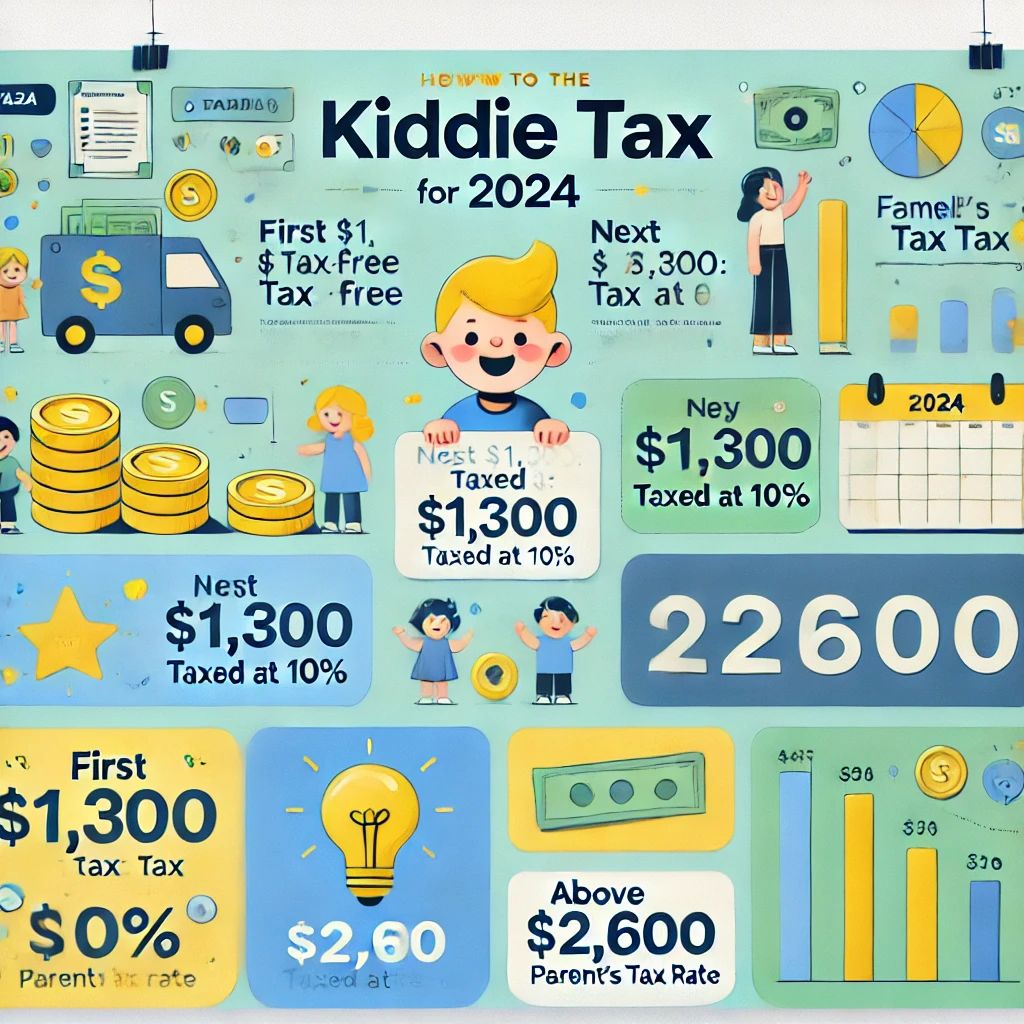
As tax season approaches, itโ€™s important to understand how the Kiddie Tax impacts children with investment income. The Kiddie Tax was introduced to prevent parents from shifting investment income to their children to take advantage of lower tax rates. Here’s a quick breakdown of how it works for the 2024 tax year and how it may affect your family. โœจ What is the Kiddie Tax? The Kiddie Tax applies to unearned income (such as dividends, interest, and capital gains) earned by children: ๐ŸŸข Under the age of 18. ๐ŸŸข Aged 18-23, if they are full-time students. Kiddie Tax Thresholds for 2024: 1๏ธโƒฃ First $1,300 of unearned income: Taxed at 0% (covered by the standard deduction for dependents). 2๏ธโƒฃ Next $1,300 of unearned income: Taxed at the childโ€™s own tax rate (usually 10%). 3๏ธโƒฃ Unearned income above $2,600: Taxed at the parents’ tax rate (up to 37%). Example Calculation Letโ€™s say your child is 16 years old and has earned $4,000 in dividends from their investments in 2024: The first $1,300 of income is not taxed (due to the standard deduction for dependents). The next $1,300 is taxed at the childโ€™s tax rate (e.g., 10%). The remaining $1,400 ($4,000 – $2,600) is taxed at the parentsโ€™ marginal tax rate, which could be higher depending on their income. While your child pays a small amount of tax on the first $2,600, the remaining income could be taxed at a significantly higher rate, potentially reducing the benefits of investing in your childโ€™s name. ๐Ÿ—‚ When Does Your Child Need to File a Tax Return? If your childโ€™s unearned income exceeds $2,600 in 2024: A tax return must be filed. They may need to complete Form 8615 to calculate taxes at the parentsโ€™ tax rate. Pro Tip: Parents can include their childโ€™s unearned income on their own tax return (using Form 8814) if itโ€™s less than $13,000 and consists only of interest and dividends. However, this may increase the parentsโ€™ tax liability. ๐Ÿ’ก Ways to Reduce Kiddie Tax Liability Encourage Earned Income: Unearned income is subject to the Kiddie Tax, but earned income (from a part-time job, for example) is not. ๐Ÿ“ˆ Use Tax-Advantaged Accounts: Encourage contributions to Roth IRAs or other tax-advantaged accounts for tax-free growth, avoiding the Kiddie Tax altogether. ๐Ÿ“ Conclusion While the Kiddie Tax can increase the tax rate on your childโ€™s investment income, understanding the rules and planning effectively can help minimize the tax burden. Consult with a tax professional to assess your familyโ€™s situation and explore ways to save on taxes.

Understanding the Kiddie Tax for 2024: How It Affects Your Childโ€™s Investment Income Read More ยป

๐“๐ก๐ž ๐ˆ๐ฆ๐ฉ๐จ๐ซ๐ญ๐š๐ง๐œ๐ž ๐จ๐Ÿ ๐€๐œ๐œ๐ฎ๐ซ๐š๐œ๐ฒ ๐ข๐ง ๐“๐š๐ฑ ๐๐ซ๐ž๐ฉ๐š๐ซ๐š๐ญ๐ข๐จ๐ง: ๐€ ๐‹๐ž๐ฌ๐ฌ๐จ๐ง ๐Ÿ๐ซ๐จ๐ฆ ๐š ๐Ÿ๐ŸŽ๐Ÿ—๐Ÿ—-๐‘ ๐…๐ข๐ฅ๐ข๐ง๐  ๐„๐ซ๐ซ๐จ๐ซ

In my recent review of a tax return, I came across an input error that highlights the critical importance of precision in tax preparation. Here’s the scenario: A client received $๐Ÿ“,๐ŸŽ๐ŸŽ๐ŸŽ in annuities, reported as Gross Distribution (๐๐จ๐ฑ ๐Ÿ) on Form 1099-R. The distribution was a ๐๐จ๐ซ๐ฆ๐š๐ฅ ๐ƒ๐ข๐ฌ๐ญ๐ซ๐ข๐›๐ฎ๐ญ๐ข๐จ๐ง from their Pension account. However, the tax preparer mistakenly checked the box for ๐ˆ๐‘๐€/๐’๐ˆ๐Œ๐๐‹๐„/๐’๐„๐ while filing. This seemingly minor error led to significant tax implications. By selecting the IRA/SIMPLE/SEP checkbox, the $๐Ÿ“,๐ŸŽ๐ŸŽ๐ŸŽ was incorrectly treated as a taxable IRA distribution, resulting in an unnecessary increase in taxable income reported on ๐‹๐ข๐ง๐ž ๐Ÿ’๐› ๐จ๐Ÿ ๐…๐จ๐ซ๐ฆ ๐Ÿ๐ŸŽ๐Ÿ’๐ŸŽ. The client, unfortunately, ended up with a higher tax liability. Upon review, I cross-verified the prior yearโ€™s 1099-R and found that this error could have been avoided with careful attention to detail during data input. ๐Š๐ž๐ฒ ๐“๐š๐ค๐ž๐š๐ฐ๐š๐ฒ๐ฌ: ๐“๐ก๐จ๐ซ๐จ๐ฎ๐ ๐ก ๐‘๐ž๐ฏ๐ข๐ž๐ฐ: Always cross-check the information entered against the source documents to avoid misclassifications. ๐”๐ง๐๐ž๐ซ๐ฌ๐ญ๐š๐ง๐๐ข๐ง๐  ๐“๐š๐ฑ ๐…๐จ๐ซ๐ฆ๐ฌ: Familiarize yourself with the nuances of forms like 1099-R, especially the implications of checking certain boxes. ๐‚๐จ๐ง๐ญ๐ข๐ง๐ฎ๐จ๐ฎ๐ฌ ๐‹๐ž๐š๐ซ๐ง๐ข๐ง๐ :The tax code is complex; staying updated and vigilant is crucial to serving clients effectively. ๐Œ๐จ๐ซ๐š๐ฅ ๐Ÿ‘‰ A small oversight can lead to significant consequences for clients, ๐€๐ฅ๐ฐ๐š๐ฒ๐ฌ ๐ ๐ข๐ฏ๐ž ๐Ÿ’๐ŸŽ-๐Ÿ’๐Ÿ“ ๐ฆ๐ข๐ง๐ฎ๐ญ๐ž๐ฌ ๐ญ๐จ ๐ญ๐ก๐ž ๐ฉ๐ซ๐ข๐จ๐ซ ๐ฒ๐ž๐š๐ซ’๐ฌ ๐ซ๐ž๐ญ๐ฎ๐ซ๐ง ๐œ๐ก๐ž๐œ๐ค ๐š๐ง๐ ๐ง๐จ๐ญ๐ž ๐ญ๐ก๐ž ๐ฆ๐จ๐ฌ๐ญ ๐ก๐ข๐ ๐ก๐ฅ๐ข๐ ๐ก๐ญ๐ž๐ ๐ข๐ญ๐ž๐ฆ๐ฌ. Both financially and in terms of trust. As tax professionals, we hold a responsibility to ensure accuracy and protect our clients from avoidable tax burdens. Letโ€™s strive for excellence in our work!

๐“๐ก๐ž ๐ˆ๐ฆ๐ฉ๐จ๐ซ๐ญ๐š๐ง๐œ๐ž ๐จ๐Ÿ ๐€๐œ๐œ๐ฎ๐ซ๐š๐œ๐ฒ ๐ข๐ง ๐“๐š๐ฑ ๐๐ซ๐ž๐ฉ๐š๐ซ๐š๐ญ๐ข๐จ๐ง: ๐€ ๐‹๐ž๐ฌ๐ฌ๐จ๐ง ๐Ÿ๐ซ๐จ๐ฆ ๐š ๐Ÿ๐ŸŽ๐Ÿ—๐Ÿ—-๐‘ ๐…๐ข๐ฅ๐ข๐ง๐  ๐„๐ซ๐ซ๐จ๐ซ Read More ยป

Social Security Benefits and Their Taxability

Did you know that your Social Security benefits could be taxable depending on your income? Understanding the taxability of these benefits is crucial for managing your taxes efficiently. Hereโ€™s everything you need to know! When Are Social Security Benefits Taxable? Your benefits may become taxable if your combined income exceeds certain thresholds. Combined income includes: โ€ข Adjusted Gross Income (AGI) โ€ข Nontaxable interest โ€ข Half of your Social Security benefits Taxable Percentage of Benefits Depending on your filing status and combined income, the portion of your benefits thatโ€™s taxable can vary: โ€ข Single filers: If your combined income is over $25,000, up to 50% of your benefits may be taxable. If itโ€™s over $34,000, up to 85% may be taxable. โ€ข Married filing jointly: If your combined income exceeds $32,000, up to 50% of your benefits may be taxable. If itโ€™s over $44,000, up to 85% may be taxable. ย Example to Illustrate Letโ€™s say youโ€™re a single filer with a combined income of $36,000 and receive $18,000 in Social Security benefits. โ€ข Since your combined income exceeds $34,000, up to 85% of your benefits may be taxable. How to Report Your Taxable Benefits โ€ข Youโ€™ll receive Form SSA-1099 from the Social Security Administration, which details the benefits you received. โ€ข Use this information to complete Form 1040 or 1040-SR and determine how much of your benefits are taxable. Tips for Managing Taxable Benefits โ€ขย  Plan Ahead: If you expect your benefits to be taxable, consider adjusting your withholding or making estimated tax payments. โ€ขย  Consider Other Income: Income from pensions, part-time work, or investments can increase your combined income and make more of your Social Security benefits taxable. โ€ขย  Consult a Professional: If youโ€™re unsure, a tax professional can help you navigate the rules and minimize your tax liability. ย Why This Matters Understanding how Social Security benefits are taxed can help you prepare for tax season and ensure youโ€™re not caught off guard. Proper planning could save you money! Have questions about your Social Security benefits or taxability? Letโ€™s discuss !

Social Security Benefits and Their Taxability Read More ยป

Understanding Tax Benefits: Deductions vs. Credits

What Are Tax Deductions?A tax deduction reduces your taxable income, which in turn lowers the amount of tax you owe. Think of it as a way to shrink the portion of your income that is subject to taxation. For example: If you earn $50,000 a year and claim a $5,000 deduction, your taxable income becomes $45,000. Assuming a tax rate of 20%, this deduction would save you $1,000 in taxes. Common deductions include:-Mortgage interest-Charitable contributions-Medical expenses (if they exceed a certain percentage of your income)-Student loan interest What Are Tax Credits?A tax credit, on the other hand, directly reduces your tax liability. Itโ€™s a dollar-for-dollar reduction in the amount of taxes you owe. For example: If you owe $2,000 in taxes and qualify for a $500 tax credit, your tax bill drops to $1,500. There are two types of credits:1) Non-refundable credits: These can reduce your tax liability to zero but wonโ€™t result in a refund. Examples include the Child and Dependent Care Credit and Lifetime Learning Credit. 2) Refundable credits: These can reduce your tax liability below zero, resulting in a refund. Examples include the Earned Income Tax Credit (EITC) and the Child Tax Credit. Deductions vs. Credits: Which is Better?To determine whether deductions or credits are better, you need to understand how they impact your taxes. 1. Impact on Tax Liability Deductions: Reduce your taxable income, which means the benefit depends on your marginal tax rate. For example, a $1,000 deduction saves $200 for someone in the 20% tax bracket but only $100 for someone in the 10% bracket. Credits: Directly reduce the tax you owe, offering equal value to all taxpayers. A $1,000 credit saves $1,000 regardless of income. 2. Simplicity Tax credits are often more straightforward. The dollar value of a credit doesnโ€™t change based on your income, making it easier to calculate the benefit. 3. Refundability Refundable credits provide a unique advantage over deductions because they can result in a refund even if you owe no taxes. For lower-income taxpayers, refundable credits can be particularly valuable. When to Choose Deductions If youโ€™re in a high tax bracket, deductions can provide significant savings.If you have substantial eligible expenses (e.g., medical bills, charitable donations), deductions might be more advantageous. When to Opt for Credits If youโ€™re looking for a dollar-for-dollar reduction in taxes owed, credits are usually the better choice. Refundable credits are ideal if youโ€™re eligible, especially if your tax liability is low. Can You Use Both?Yes! In many cases, you can claim both deductions and credits, maximizing your tax savings. For example: Deducting student loan interest while also claiming the American Opportunity Tax Credit (AOTC) for education expenses.

Understanding Tax Benefits: Deductions vs. Credits Read More ยป