
𝗠𝗜𝗦𝗦𝗘𝗗 𝗔𝗠𝗢𝗥𝗧𝗜𝗭𝗔𝗧𝗜𝗢𝗡 – 𝗪𝗛𝗔𝗧’𝗦 𝗧𝗛𝗘 𝗦𝗢𝗟𝗨𝗧𝗜𝗢𝗡?
Last week, while reviewing a client’s books, I noticed something surprising. For several years, the company had been carrying intangible assets on the balance sheet… but no amortization was ever recorded.
The client’s first reaction: “Can we go back and amend all those returns?”
Here’s the reality:
1. The IRS does not require amending prior returns just to add amortization.
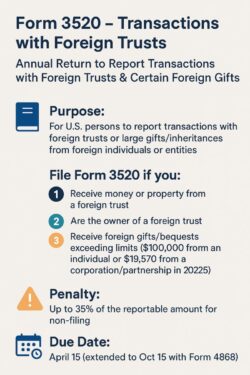
2. Instead, the proper route is Form 3115 (Change in Accounting Method).
3. Under Section 481(a), the taxpayer takes a catch-up adjustment in the current year, bringing all missed deductions forward at once.
===>This means:
-Past returns remain as filed (no messy amendments).
–The current year return includes the entire adjustment.
—Going forward, amortization is applied correctly each year.
It’s one of those areas where tax rules provide a clean solution — if you know the right form to use.